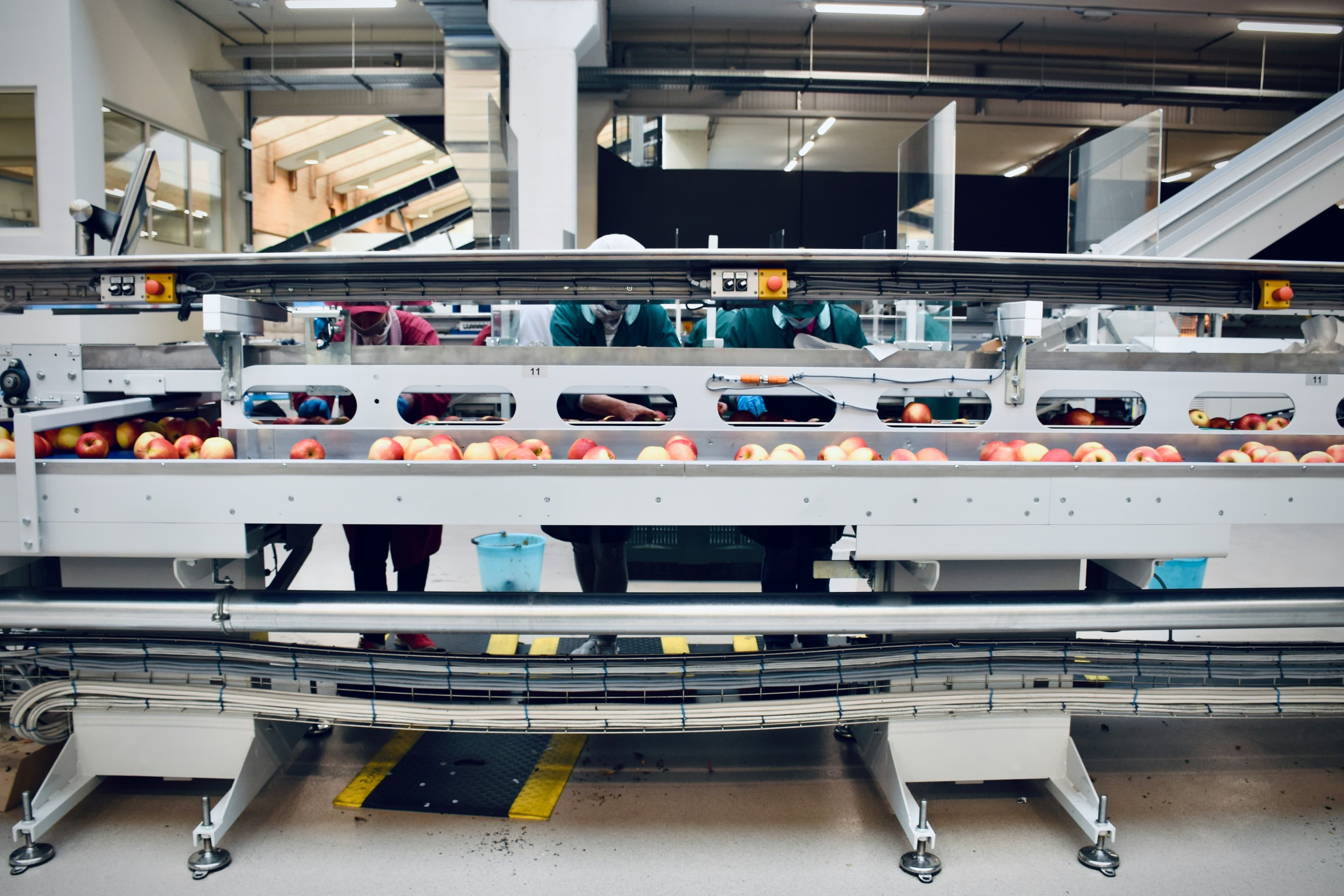
Andy Burnham wants to rebuild Britain’s industrial capacity, particularly in the North of England. Food manufacturing could be a key pillar of his strategy.
PF Global have today published a new briefing, Food manufacturing and Reindustrialisation, which outlines the case for including the sector in any future reindustrialisation agenda.
PF Global were commissioned by Associated British Foods to analyse the relative performance of the food manufacturing sector Britain and report on its findings. Our analysis found that food manufacturing is spread across the country. It provides jobs in every parliamentary constituency in Great Britain bar one. Our modelling shows that a 5% boost to the sector would create around 20,400 jobs. Output per hour in food manufacturing has risen by 72% since 2000. That is more than three times the rate across the whole economy.
This growth has come despite steep rises in energy, labour, raw material and regulatory costs. Baked goods manufacturing is the 12th most energy-intensive of 102 UK industries. Real business investment in food and drink rose by 87% between 2010 and 2025, ahead of manufacturing overall (80%) and the whole economy (62%).
When the last strategy was drawn up, the case for food manufacturing was mixed. Output per worker is only now catching up with the national average, and the UK imports more food than it exports. Since then, the outlook for global food supply has deteriorated sharply. Weak harvests, disrupted fertiliser and grain supplies and a likely record El Niño point to a food price shock in 12 to 18 months. A more productive domestic sector is one of the few ways to soften it.
What we recommend
- Lower energy costs, with baking, milling, sugar and dairy fully eligible for electricity cost relief and support for heavy gas users.
- A dedicated sector plan, with a joint industry and government council and clear productivity targets.
- Fast-track planning for factory expansions that add domestic capacity.
- Full expensing for leased plant and machinery, and a food strand in a national Made Smarter programme.
- Greater co-investment through Innovate UK, the National Wealth Fund and the British Business Bank, opening its £4bn Industrial Strategy Growth Capital to food manufacturers.
The project is conducted independently by PF Global, which retains full editorial independence, using publicly available information and sources. Views expressed do not necessarily reflect those of the commissioning body.